I *HEART* Joggins Fossil Cliffs …

IMG_2713.JPG

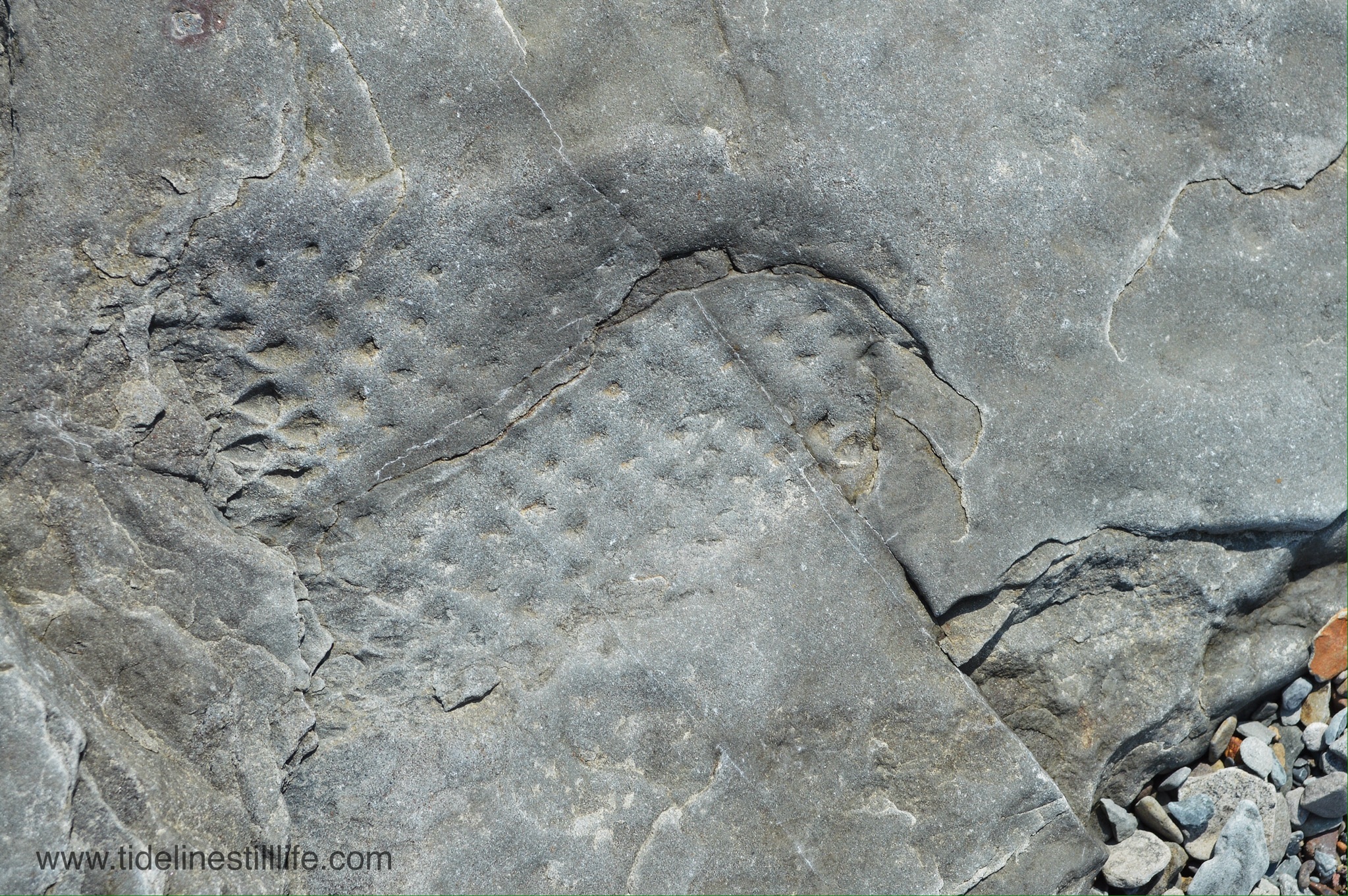
… and Nova Scotia, and tide lines of all sorts, and most especially days spent exploring nature with my beloved. This fossilized impression of stigmaria bark from the Carboniferous period says it all.

This photograph was taken along the tide line at Joggins Fossil Cliffs. Rather than a sand, or even small pebble tide line, Joggins is mostly a jumble of rocks, with sand and smaller rocks emerging at low tide. It makes walking the tide line a bit of a challenge, but the reward of watching one’s step comes with finding innumerable fossils along the walk.

NOTE: fossil was misidentified yesterday as lepidodendron. Corrected today as stigmaria.

How Fossils Begin

20140724-082804-30484603.jpg

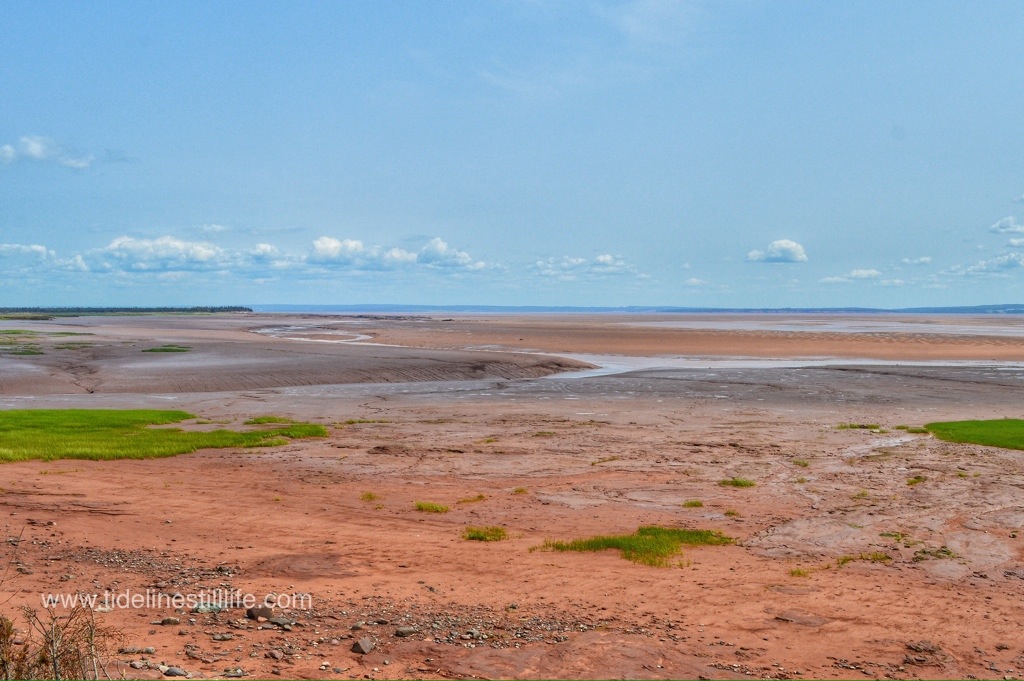
An anniversary trip to Nova Scotia provided us with a number of new tide lines to visit and to photograph. The first stop was the Bay of Fundy, which experiences one of the highest vertical tidal ranges in the world. The Minas Basin, pictured here, is where the tide is most extreme. Last weekend the tidal extreme was approximately 40′ (over 12 meters).

20140724-082827-30507186.jpg

Low tide reveals huge expanses of thick, oozy, sticky, red mud; mud that is delightful to walk in, roll in, and play in, as many children demonstrated for us.

20140724-082910-30550382.jpg

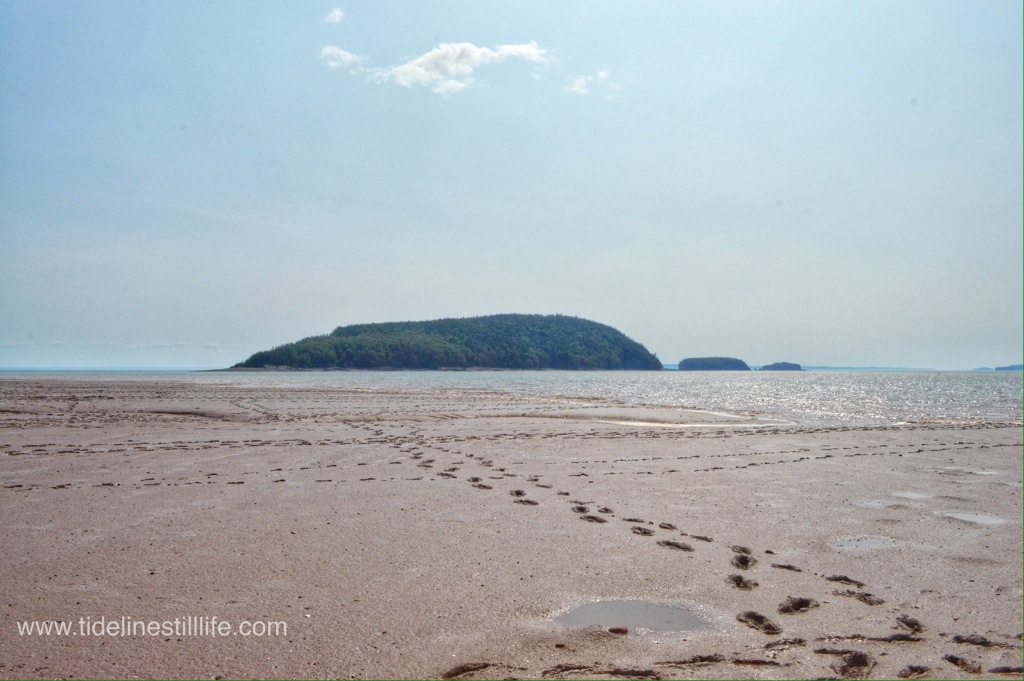
With the permission of their parents, I photographed these two delightful mud-monsters at Five Islands Provincial Park. I think a visit to the Minas Basin is a much different experience when accompanied by children! Although far from a “still life”, these brothers were very much part of the tide line … and I think the tide line was very much a part of them, likely for a few days after. This mud does not just rinse off!

20140724-083023-30623390.jpg