Primed for Erosion

IMG_2717.JPG

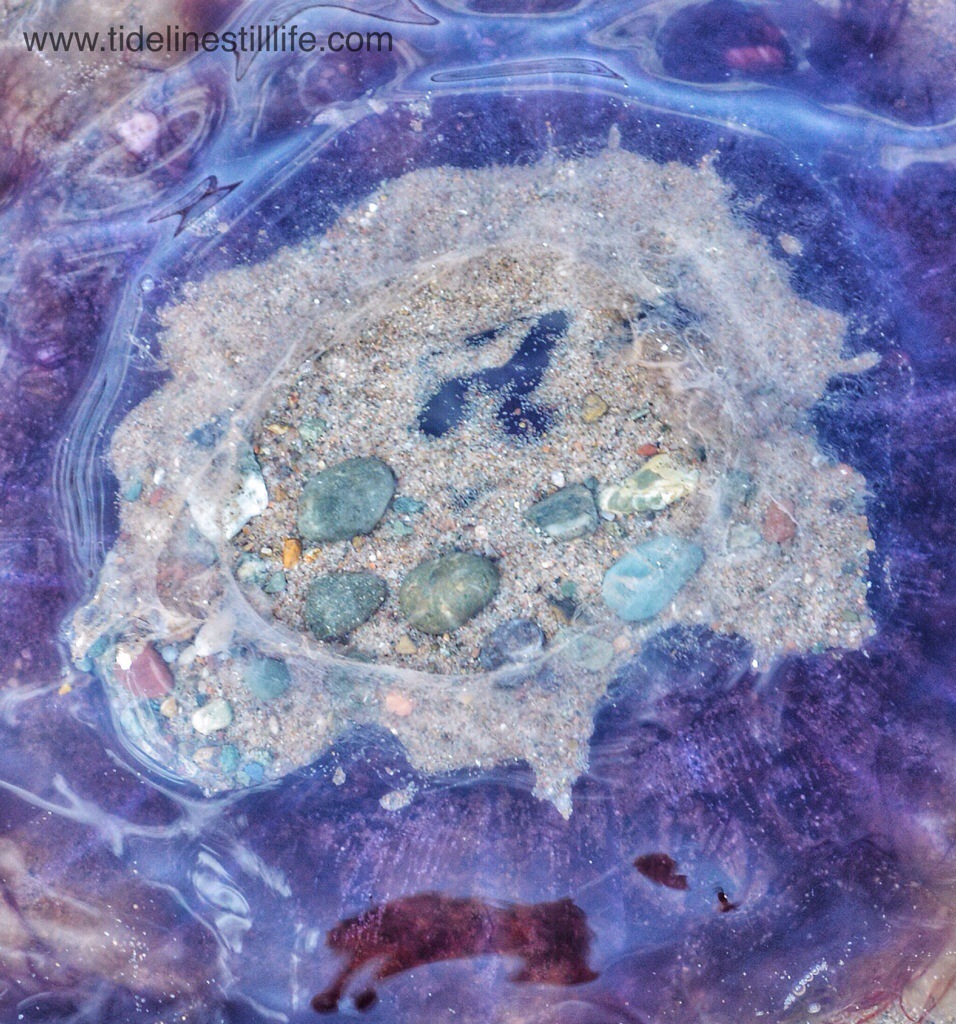
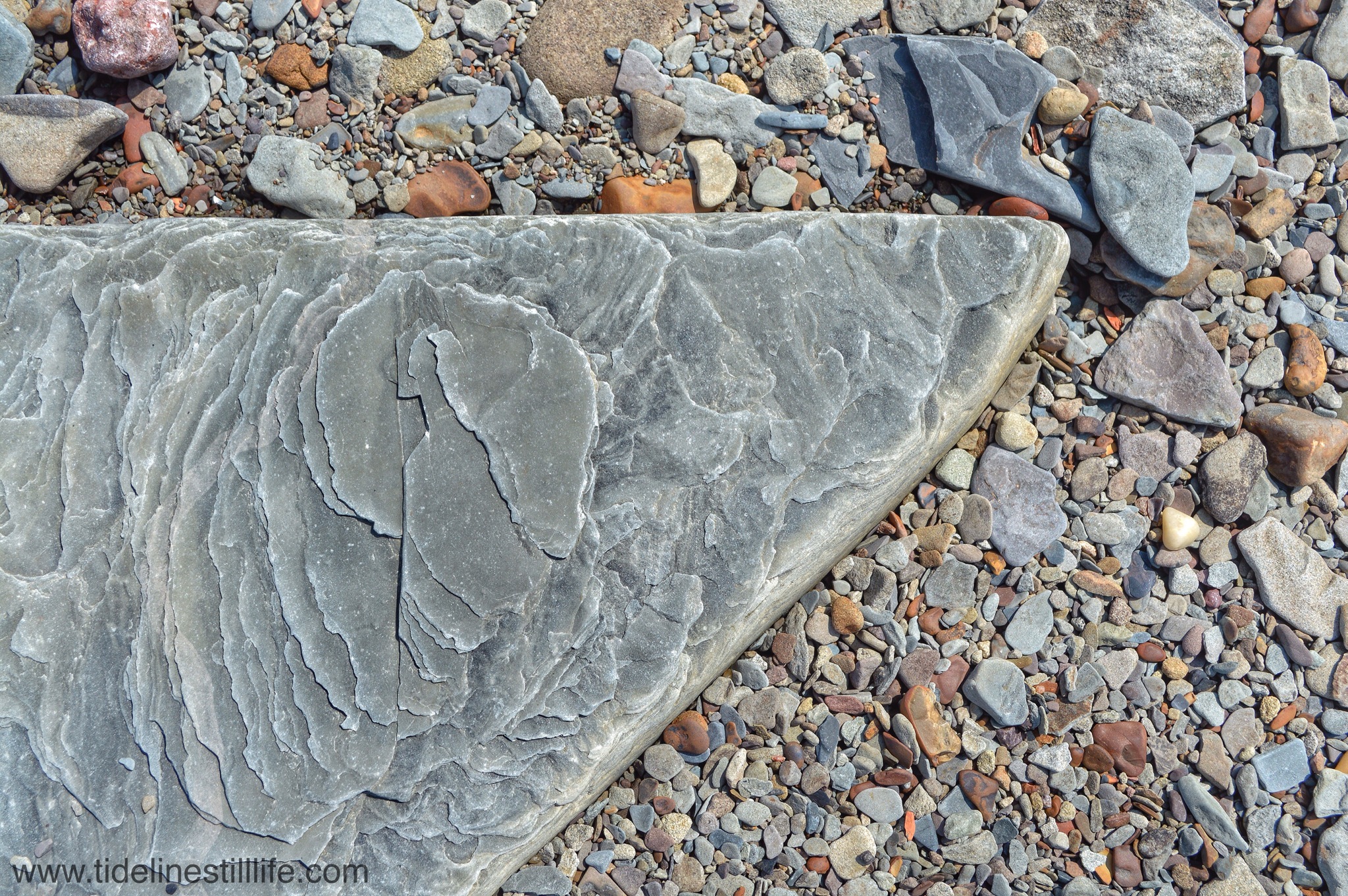
It is a different sort of tide line that presents itself at Joggins Fossil Cliffs, and other pebble beaches. Where I usually look for compositions that prominently include marine life (plant and/or animal) on a sand background, pebble beaches do not offer this sort of tableau. Instead, a pebble-beach tide line is a puzzle of shapes and textures that almost require a refocusing of one’s eye and thoughts before focusing a camera lens.

Joggins is an evolving, shifting beach because of the constant erosion of the cliffs, coupled with dramatic high tides. The result is a beach (and tideline) that is littered with new-fallen shale, as well as with stones and pebbles that are well eroded. New fossils are revealed with every new cliff-fall, and can easily be found in many of the eroded stones.

This still life does not have any fossils that I can see, but the textures and colors in the shale and stones create a pleasing and somewhat dynamic photograph. I notice new things about it every time I look at it.

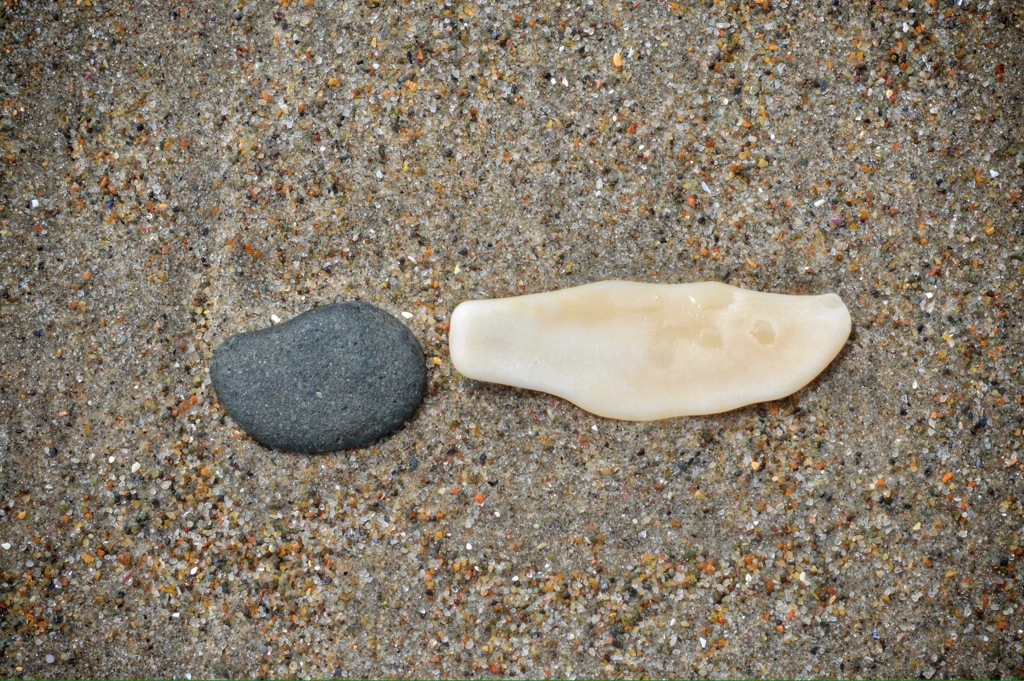
Land and Sea; Black and White

20140803-073947-27587189.jpg

Martinique Beach Provincial Park, Nova Scotia
Martinique Beach is a 5 kilometer expanse of lovely sand beach, surrounded by areas of protected dunes. It sits at the end of a seemingly endless 12 kilometer road, but is very much worth the drive. The dunes are protected, with 8 access points much like the one below. We arrived early on a misty morning; the air was cooler than the water (warmer than ours at the Jersey shore because of its closer proximity to the Gulf Stream), so the beach was full of mist, and the light was luminous. Absolutely magic. There were still lifes aplenty, which I will be sharing over the upcoming weeks.
I will return there, hopefully!

20140803-075312-28392699.jpg

20140803-075328-28408705.jpg

How Fossils Begin

20140724-082804-30484603.jpg

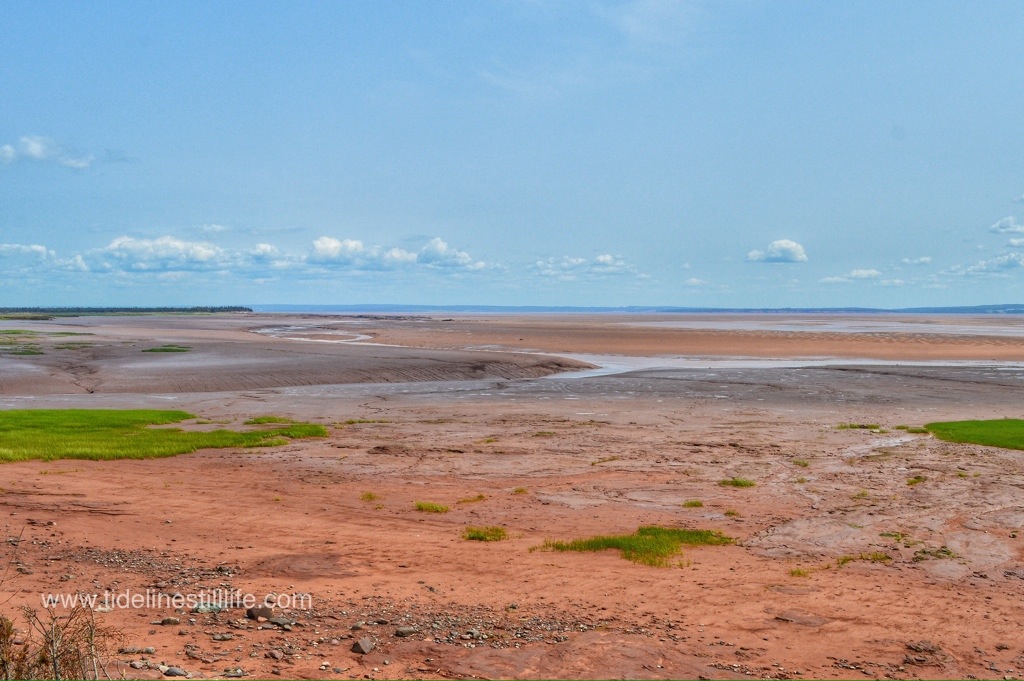
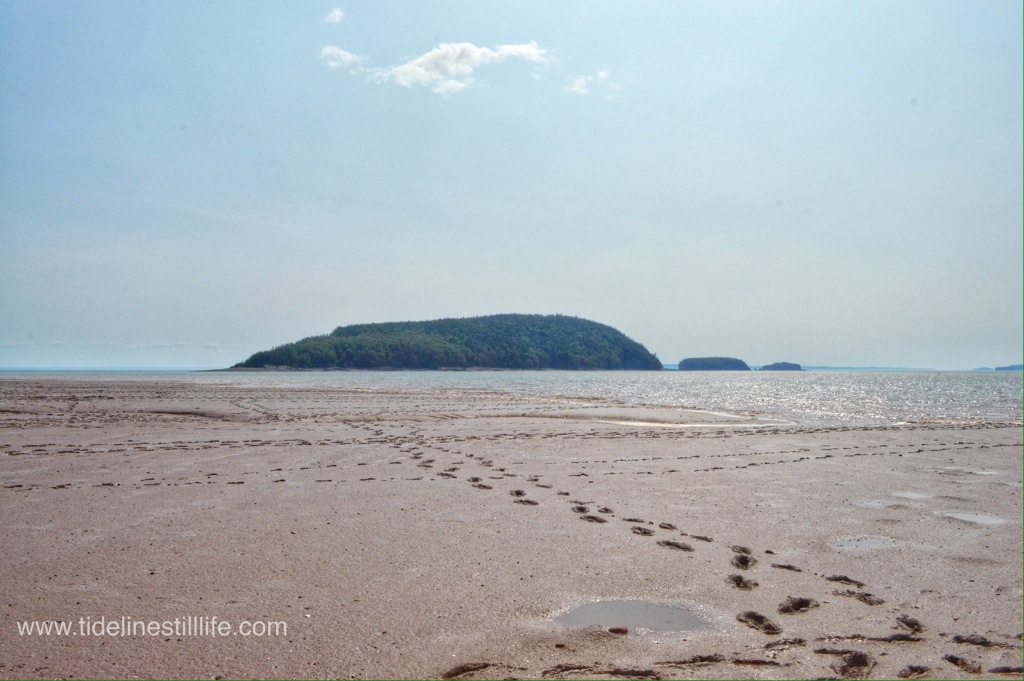
An anniversary trip to Nova Scotia provided us with a number of new tide lines to visit and to photograph. The first stop was the Bay of Fundy, which experiences one of the highest vertical tidal ranges in the world. The Minas Basin, pictured here, is where the tide is most extreme. Last weekend the tidal extreme was approximately 40′ (over 12 meters).

20140724-082827-30507186.jpg

Low tide reveals huge expanses of thick, oozy, sticky, red mud; mud that is delightful to walk in, roll in, and play in, as many children demonstrated for us.

20140724-082910-30550382.jpg

With the permission of their parents, I photographed these two delightful mud-monsters at Five Islands Provincial Park. I think a visit to the Minas Basin is a much different experience when accompanied by children! Although far from a “still life”, these brothers were very much part of the tide line … and I think the tide line was very much a part of them, likely for a few days after. This mud does not just rinse off!

20140724-083023-30623390.jpg